
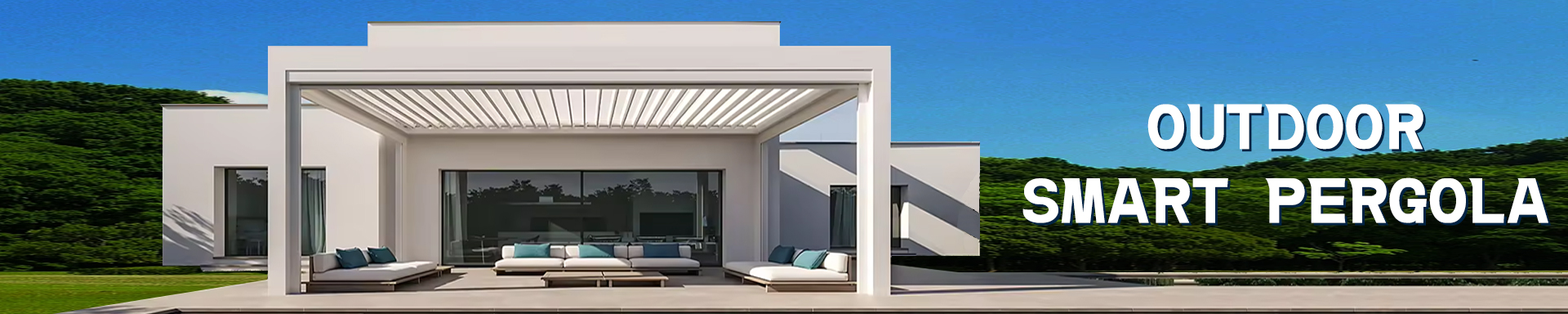
1. Determine Your Garden Space Requirements
1.1 Measure Available Area and Layout Options
Before installing an Aluminum Pergola, accurately measure your garden space. Note the total width, length, and any obstacles like trees, planters, or walkways. Precise measurements prevent oversizing or undersizing, ensuring the pergola fits naturally and leaves room for movement.-
Use a tape measure or laser distance tool to record dimensions.
-
Mark the intended pergola perimeter with chalk or temporary markers.
-
Identify zones for walking, dining, or relaxing.
For instance, a patio installation requires at least 3–4 feet of clearance around furniture to allow free movement. Mapping the layout visually helps determine if a freestanding or wall-attached Aluminum Pergola works best.
1.2 Consider Height and Clearance Needs
Height affects both usability and the visual feel of your garden. Standard pergolas stand 7–9 feet tall, but the optimal height depends on your intended use:-
Dining areas typically need 8–9 feet to allow chair movement and standing comfort.
-
Lounge areas can be 7–8 feet for a cozy, intimate feel.
Also, consider adjacent structures such as fences, garage roofs, or balconies. Aluminum balcony pergolas must align with railings without obstructing views. Proper clearance ensures the space feels open rather than cramped.
1.3 Identify Functional Zones (Dining, Lounge, Shade)
Plan your pergola based on the activities you want underneath. Functional zones help maximize usability:-
Dining Zone: Space for a table, chairs, and circulation.
-
Lounge Zone: Sofas or chairs require at least 6–8 feet length and 4–5 feet width per seating cluster.
-
Shaded Zone: Consider adjustable or louvered roofs to manage sunlight throughout the day.
| Functional Zone | Recommended Size | Notes |
|---|---|---|
| Dining | 10–12 ft x 8–10 ft | Allow chairs to slide out comfortably |
| Lounge | 6–8 ft x 4–5 ft | Include side tables and circulation paths |
| Shade/Relaxation | Variable | Adjustable roofs enhance comfort |
Planning these zones ensures that your Aluminum Pergola integrates seamlessly into your garden, providing both functional and visual harmony. For example, placing seating in the sunniest corner creates a comfortable area for afternoon relaxation while maintaining airflow.
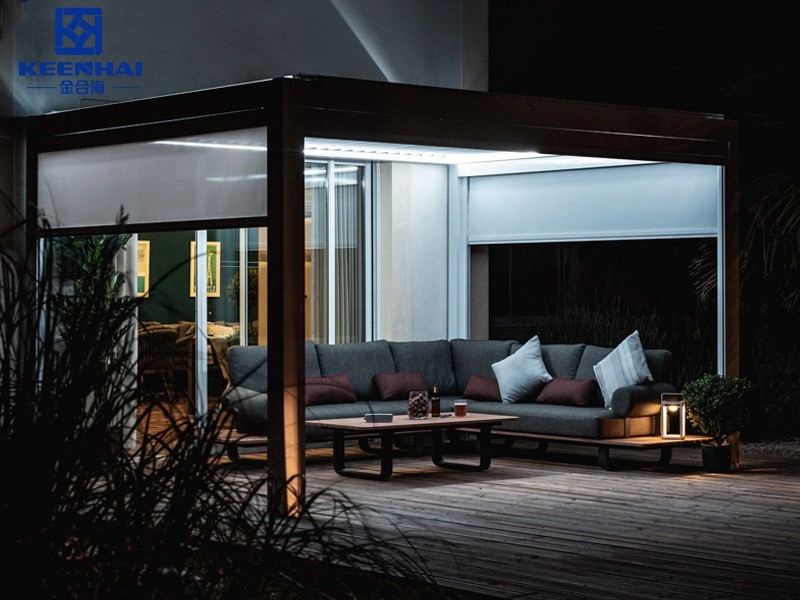
2. Select the Appropriate Aluminum Pergola Style
2.1 Freestanding vs. Attached Pergolas
When choosing the right pergola style, the first consideration is whether you want a freestanding structure or one attached to your house. Freestanding pergolas offer flexibility in placement and can become a centerpiece anywhere in your garden. They’re ideal for open lawns or as a focal point near a pool or patio lounge area.Attached pergolas, on the other hand, are anchored to an existing wall or terrace. They save space and create a seamless extension of your home, perfect for connecting indoor dining to an outdoor eating area.
Steps to determine which style fits your garden:
-
Measure available space for both freestanding and attached options.
-
Assess access and circulation, ensuring enough clearance on all sides.
-
Consider integration with existing architecture, such as rooflines or deck height.
2.2 Louvered Roof vs. Fixed Roof Options
Next, decide between a louvered roof and a fixed roof design. Louvered roofs provide adjustable shading, allowing sunlight control throughout the day. They are particularly useful if your garden receives varying sun exposure or if you want to manage airflow during hot summer days.Fixed roofs, made from durable aluminum panels or polycarbonate sheets, provide constant shelter from sun and rain. These roofs require minimal maintenance and are excellent for areas with heavy rainfall or strong sun exposure.
| Feature | Louvered Roof | Fixed Roof |
|---|---|---|
| Sun Control | Adjustable louvers for precise sunlight | Permanent shade, no adjustment |
| Rain Protection | Partial, depends on angle | Full coverage, weatherproof |
| Maintenance | Requires occasional cleaning and lubrication | Minimal, mostly surface cleaning |
| Cost | Moderate to high | Moderate |
For instance, a motorized Aluminum louvered roof gazebo allows homeowners to adjust shading with a remote control, creating a versatile outdoor space adaptable to any weather condition.
2.3 Custom Shapes and Sizes
Finally, consider custom shapes and dimensions for your pergola. Standard rectangular or square designs are common, but gardens with unusual layouts can benefit from custom L-shaped or hexagonal structures. Customization ensures the pergola fits perfectly, maximizing usability without compromising aesthetics.Steps to plan a custom pergola:
-
Measure every dimension of your target area carefully.
-
Decide on the number of support posts and roof panels needed for stability.
-
Coordinate roof design with drainage requirements, especially if you choose a slanted or curved roof.
-
Factor in furniture and traffic flow to ensure adequate space for lounging and dining.
Choosing the right shape and size ensures your pergola not only functions well but also enhances your garden’s visual appeal, creating a cohesive and inviting outdoor space.
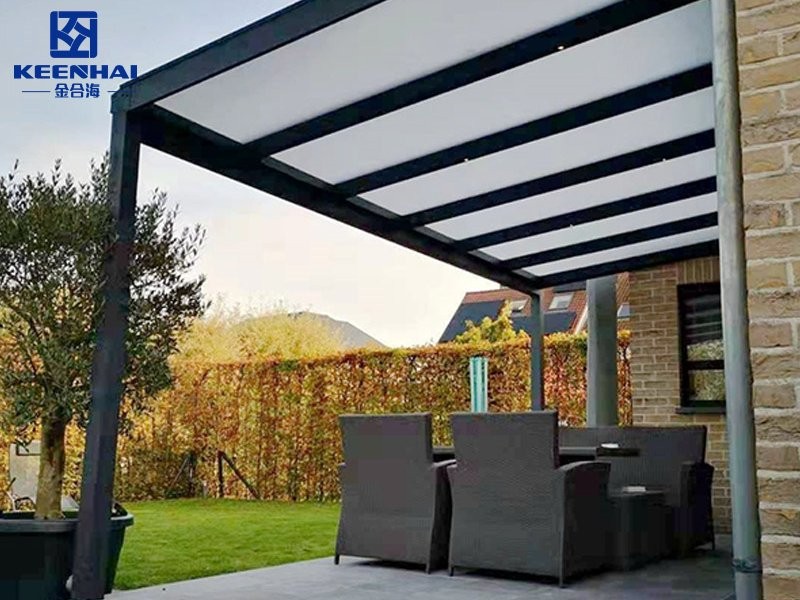
3. Choose the Right Materials and Finishes
3.1 Powder-Coated Aluminum for Weather Resistance
Choosing Aluminum Pergola starts with material quality. Powder-coated aluminum provides excellent resistance against UV rays, rain, and temperature fluctuations. This coating prevents fading, chalking, and corrosion, ensuring the pergola maintains its aesthetic appeal for years.Steps to select durable material:
-
Check if the aluminum is marine-grade or 6063-T6 alloy, which enhances strength and rigidity.
-
Verify powder coating thickness, ideally 60–80 microns, for maximum weather protection.
-
Inspect corners and joints to ensure the coating is uniform and free from scratches or exposure.
This choice is particularly important for areas exposed to frequent sun or heavy rainfall, where ordinary painted aluminum may degrade faster.
3.2 Color and Texture Options to Match Your Garden
Next, consider colors and finishes to harmonize with your outdoor space. Powder-coated aluminum comes in a wide variety of neutral shades, metallic tones, and custom colors. Matte and textured finishes reduce glare and add a subtle elegance to your garden.Tips to select the right color and texture:
-
Choose shades that complement furniture, decking, and garden walls.
-
Test samples under natural sunlight to ensure the color appears consistent throughout the day.
-
Consider textured finishes for high-traffic areas as they hide fingerprints and dust better.
For instance, a soft bronze finish works beautifully with wooden decking, while a sleek graphite tone pairs well with modern stone patios. Proper selection enhances the pergola’s integration with the overall landscape.
3.3 Corrosion-Resistant Features for Coastal or Humid Areas
For coastal or humid climates, prioritize aluminum with enhanced corrosion resistance. Salt-laden air or high humidity can accelerate rust if the material is not properly treated. Look for anodized or dual-layer powder-coated finishes that create a protective barrier.Steps to ensure corrosion resistance:
-
Confirm the aluminum is anodized or marine-grade, especially for seaside installations.
-
Check for stainless steel or galvanized fasteners, which prevent rust at connection points.
-
Maintain regular cleaning, removing debris and salt buildup to extend longevity.
For areas with heavy moisture, a Aluminum automated pergola with corrosion-resistant finishes provides both functionality and durability, allowing homeowners to enjoy a hassle-free outdoor space year-round.
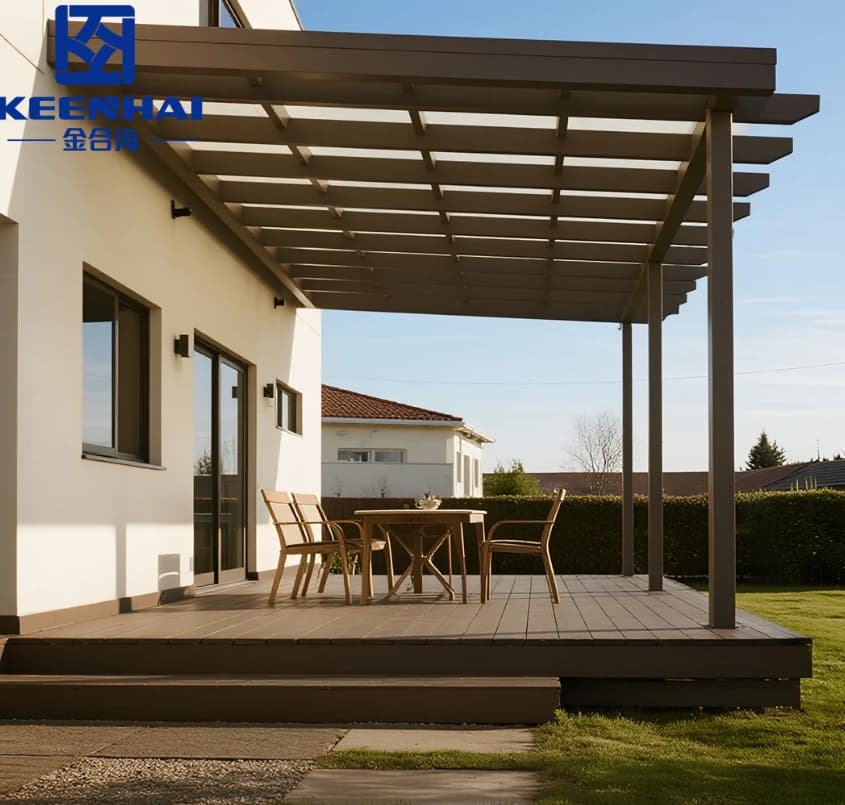
4. Evaluate Additional Functional Features
4.1 Adjustable Louvers and Motorized Roofs
Modern Aluminum Pergola designs often include adjustable louvers or motorized roofs, providing flexibility to control sunlight and airflow. Adjustable louvers allow homeowners to dial in the perfect amount of shade or direct sunlight, creating comfortable outdoor conditions in any weather.Key considerations:
-
Check if the louvers operate manually or via a motorized system. Motorized roofs add convenience, letting you adjust settings with a remote or smartphone.
-
Ensure the frame and roof mechanism are rated for wind loads and outdoor exposure.
-
Test rotation angles; some systems allow up to 150° adjustment for optimal sun coverage.
This feature is especially useful for patios or poolside lounges where sunlight varies throughout the day.
4.2 Integrated Lighting, Fans, or Heating Options
For extended usability, some aluminum pergolas include integrated amenities such as LED lighting, ceiling fans, or outdoor heaters. These features transform a simple outdoor structure into a multifunctional living area.Installation and planning steps:
-
Identify power sources and plan safe electrical wiring before installation.
-
Decide on lighting type—ambient LED strips or spotlight fixtures—depending on the desired mood.
-
Integrate ceiling fans or infrared heaters if you want comfort during summer evenings or chilly nights.
For example, a pergola equipped with subtle LED lights and a fan can serve as an outdoor dining area after sunset, while maintaining airflow and a cozy atmosphere.
4.3 Retractable Shades and Accessories
Retractable shades and accessories add further adaptability to your outdoor space. These allow quick adjustments to block wind or intense sunlight without modifying the main structure.Implementation steps:
-
Choose retractable fabrics that are UV-resistant and water-repellent.
-
Install tracks or rail systems that permit smooth operation.
-
Position shades to cover functional zones, such as dining or lounge areas, without obstructing walkways.
Optional accessories, like side curtains, mosquito nets, or decorative panels, enhance privacy and usability, making your outdoor area comfortable year-round. A customized Aluminum louvered roof gazebo with retractable elements offers both style and function, letting homeowners adapt to changing weather conditions effortlessly.